It was a bit of a slow week regarding new hardware and software, but plenty going on in the world of AI.

Facebook’s Meta AI has announced its Segment Anything project. Segmentation is a fundamental part of computer vision and is the ability to identify which image pixels belong to an object. Using AI for this task requires training with large datasets of suitable images. What Meta AI has done with their Segment Anything Model (SAM) is pre-train it over billions of images (probably all our holiday snaps 😉), so it can reliably segment just about anything you ask it to in an image. To experiment with it and run it, you’ll need Python (>=3.8), PyTorch (>=1.7) torchvision >= 0.8, and to poke around their Github.
Interesting Projects
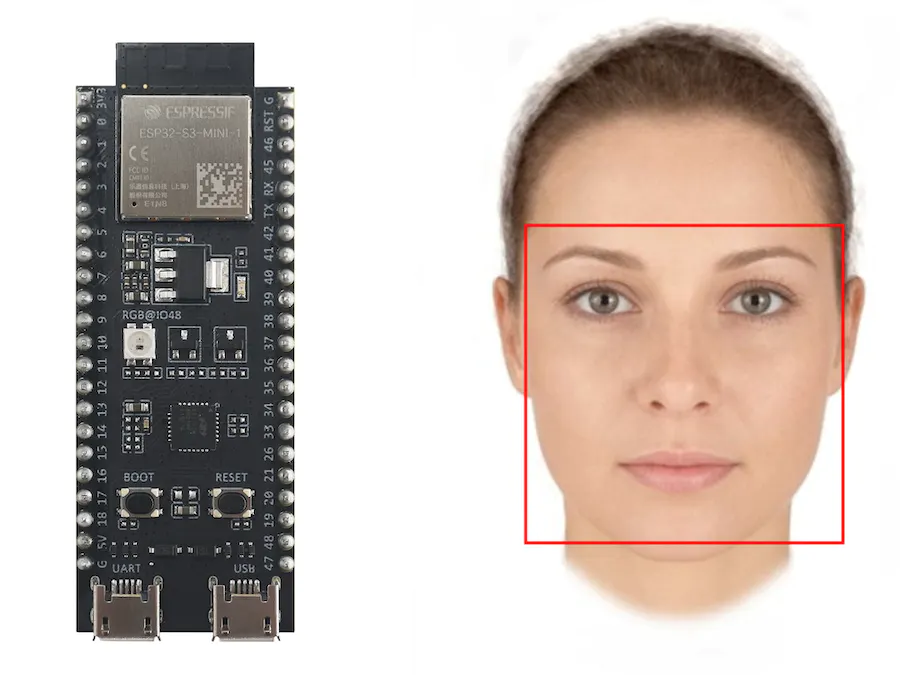
I came across an interesting project at Hackster : “Face Detection with MTCNN and TensorFlow Lite for ESP32-S3” enabling Face Detection and alignment on an ESP32 dev kit. Detection of a face is around 1 second.
This Week in AI
Elon Musk, shortly after calling for a pause in AI, which cynics felt he just wanted to catch up, has announced his rival AI company which is called X.AI.
All the excitement over ChatGPT and the fact that Microsoft has a version built into Bing has forced Google to accelerate its plans to incorporate AI into its search. This is allegedly happening in two stages, the first being project “Magi”, which will add Generative AI features to search. This will allow it to answer questions and follow-up questions and even write code. Further down the line, following Magi is an all-new search engine powered by AI. It has also merged its Brain team and Deep Mind to form Google Deepmind. Google Deepmind aims to significantly accelerate the company’s progress in AI.
OpenAI’s CEO says the Age of Giant AI models is already over. OpenAI CEO Sam Altman says that the research strategy that birthed ChatGPT is played out and that further progress will not come from making models bigger.
Microsoft reportedly working on it’s own AI chips that could rival Nvidia’s. Microsoft is reportedly working on AI chips for training large language models. The chips have been in development in secret since 2019. They are currently being tested with large language models like GPT-4.